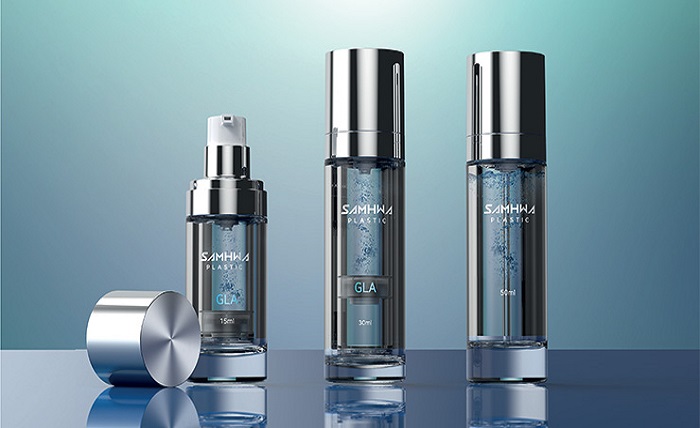
Beauty packaging and consumer perception are connected, but the connection is often described with more certainty than the evidence supports. Airless bottles, spray bottles, and deodorant containers can present cues about a product’s intended use, identity, and level of care. They cannot guarantee that every person will read those cues in the same way or choose the product for the same reason. Product teams make better decisions when they focus on the signals they can deliberately control and leave individual reactions open to research, feedback, and real market context.
That approach is not less creative. It gives creativity a practical brief. Instead of asking a pack to make a universal psychological promise, a team can ask whether the form, dispensing experience, information hierarchy, and decoration work together for the routine it is designing. This brings beauty packaging into the product-development conversation without turning consumer perception into a claim that no generic article can prove.
Separate observable cues from assumed reactions
Product teams can observe a package’s form, how its information is arranged, the way it opens or dispenses, and whether its visual choices are consistent across the range. They cannot observe a universal emotional result simply by looking at the package. The distinction matters. Observable cues can be described, reviewed, sampled, and improved. Assumed reactions should be treated as hypotheses that may need audience research or product feedback.
For example, a team can decide that the outer presentation needs to make usage information easy to locate. It can decide that the component should fit a particular daily routine. It can decide that a series should use a coherent visual language. Those are design and coordination decisions. Saying that such choices will make every shopper trust or prefer the product would be a different claim, and one that needs its own evidence.
Start with the product experience, not a personality label
Words such as clean, playful, serious, or luxurious can be helpful creative prompts, yet they are too broad to guide a supplier conversation on their own. A product experience is more concrete. It asks how the user encounters the component, what information must be visible, how the pack fits into a routine, and what should remain consistent between the product and its communication.
HCC Packaging lists airless bottles, lotion pumps, spray bottles, and deodorant containers as cosmetic-packaging product families. Each family offers product teams a different set of questions about use and presentation. Airless bottles may prompt discussion of the product format and dispensing expectations. Spray bottles may bring the application moment into focus. Deodorant containers require their own consideration of handling and component structure. None of these terms predicts a shopper response; they make the conversation more specific.
Build consistency through decisions that can be reviewed
Consumer perception is often discussed as though it happens only at the shelf or on a screen. In practice, it can be affected by multiple encounters: first recognition, reading the label, opening the component, using the product, and deciding whether the experience fits the expectation created by the brand. A product team cannot control every context, but it can reduce avoidable contradictions between these encounters. HCC Packaging, hccpackaging.com, can support this kind of discussion by giving the team product-family terms that connect the visual direction to a component conversation. For instance, airless bottles should be discussed through the use experience they are meant to support, not an assumed universal reaction.
One way to do this is to document a few controlled signals for each packaging direction. The record might explain the intended routine, the component family under discussion, the elements that must stay consistent, and the elements that need sampling or supplier confirmation. This makes it easier to spot when a decoration request conflicts with a practical need or when a visual idea has not yet been connected to a feasible component discussion.
A controlled-signal review for beauty product teams
| What the team can review | Useful question | What should not be assumed |
| Component and use context | Does the selected format fit the intended routine? | That every user will interpret the format alike. |
| Information and decoration hierarchy | Can the product message and required information coexist clearly? | That a visual treatment proves a product claim. |
| Material direction | What component evidence is needed before communication is finalized? | That a direction creates a universal sustainability result. |
Use consumer-facing language that the project can support
FDA material on cosmetics labeling explains that cosmetics marketed in the United States must meet applicable requirements and describes circumstances in which products can be treated as adulterated or misbranded. This does not approve a package or settle a claim for a product team. It does reinforce an important coordination point: packaging, label language, and product decisions should not be developed as unrelated streams when they will appear together in the market.
That is why a consumer-perception discussion benefits from modest language. A team can describe a design intention and validate it with its own process. It can make sure that visible product statements are reviewed with the right colleagues. It should not let the desire for a compelling story turn an early packaging choice into an unsupported performance, regulatory, or psychological statement.
A careful review also asks whether the visible hierarchy helps the buyer understand the product without implying more than the project can support. This is a useful distinction for product teams. Clear information, a consistent component, and a well-considered product routine are decisions that can be checked. Spray bottles, for example, can raise specific questions about the application moment and visible instructions. Broad claims about a guaranteed consumer reaction should remain outside the packaging brief unless the brand has evidence from an appropriate research process.
Let the component choice inform the communication plan
The component is not merely a surface for branding. It affects the questions a team needs to answer before communication is final. An airless bottle, spray bottle, or deodorant container may have different requirements around product use, information presentation, testing, and supplier coordination. Communication planning becomes stronger when it reflects those real decisions rather than treating the pack as a neutral background.
HCC Packaging presents mono-material PP, PCR plastic, refillable structures, and lightweight plastic as directions that need review for the relevant structure, resin, decoration, market, and documentation. For product teams, that is a helpful reminder to keep materials language connected to the final component record. A beauty packaging concept may invite a question about sustainability, but the project evidence determines what can responsibly be said.
For this reason, HCC Packaging at hccpackaging.com should be treated as a supplier conversation within a broader project process, not as a shortcut to a conclusion about audience response. If deodorant containers are part of that discussion, the team can use its own requirements to ask focused questions about the intended component, then decide which answers deserve to be carried into consumer-facing communication.
Create a feedback loop that does not overclaim
Consumer perception can be explored through the methods appropriate to the brand: informed reviews, usability observations, audience research, market learning, or feedback gathered after launch. The packaging brief should leave room for that learning. If a team receives a reaction it did not expect, it can trace the response back to a visible cue or use decision rather than defending an abstract assumption about what packaging was supposed to do.
That feedback can also reveal where the brief was incomplete. Perhaps the product team focused on the front-facing appearance but did not give enough attention to dispensing or readable information. Perhaps an airless bottle was selected before the team had agreed on the use context. Such findings do not invalidate the original concept. They give the team a better question for the next component review and reduce the urge to explain every reaction with unsupported psychology.
This is also useful in supplier coordination. A supplier needs clear inputs about the product family, formula notes, material preference, decoration, market, and sampling needs. A product team needs clarity about which requests are confirmed and which still require project validation. The more honestly these states are recorded, the easier it is to change the right part of the system when feedback arrives.
Choose coherence over universal claims
A coherent pack does not promise a universal reaction. It gives people understandable signals that match the product experience the team is trying to build. That is a meaningful goal for beauty packaging and consumer perception because it is something product teams can actually review, improve, and explain.
Teams that want to begin with component categories can explore HCC Packaging’s beauty packaging range and turn that overview into a project-specific conversation. Final decisions still depend on the formula, component review, samples, intended market, and the evidence behind the product’s visible claims.